What is Grammarly best for?
Grammarly is best for teams that want clearer, more professional writing across everyday communication without adopting a broader AI creation workflow for every task.
Best for improving grammar, tone, and professional writing quality at scale
Grammarly is a writing assistant focused on grammar, tone, clarity, and professional communication quality across everyday business and editorial work. It is strongest when teams do not need a broad generative assistant for everything, but do need cleaner writing wherever emails, documents, and client-facing communication are produced.
Best for
Ideal for
Grammarly is a writing assistant focused on grammar, tone, clarity, and professional communication quality across everyday business and editorial work. It is strongest when teams do not need a broad generative assistant for everything, but do need cleaner writing wherever emails, documents, and client-facing communication are produced.
| Icon | Item | Details |
|---|---|---|
| 🚀 | Tool name | Grammarly |
| 🧭 | Category | Writing |
| 💰 | Pricing | Freemium |
| 👥 | Audience | Professionals, Business teams, Writers |
| 🎯 | Positioning | Best for improving grammar, tone, and professional writing quality at scale |
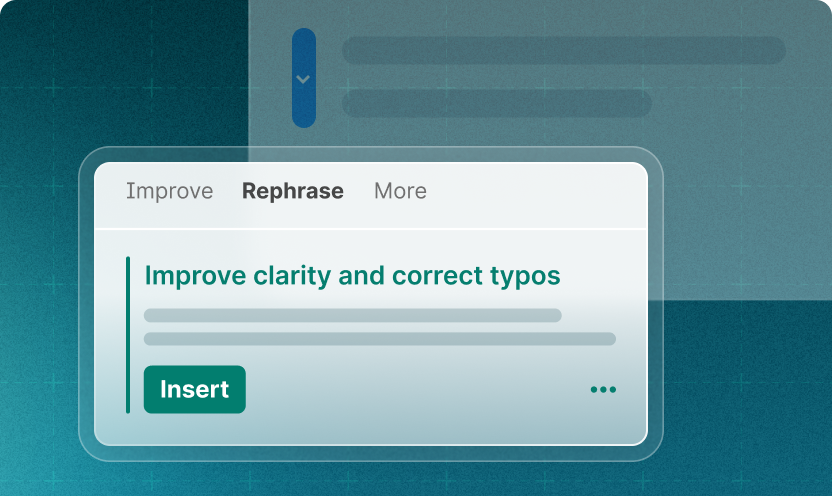
Improves grammar, clarity, and readability across common writing surfaces used at work
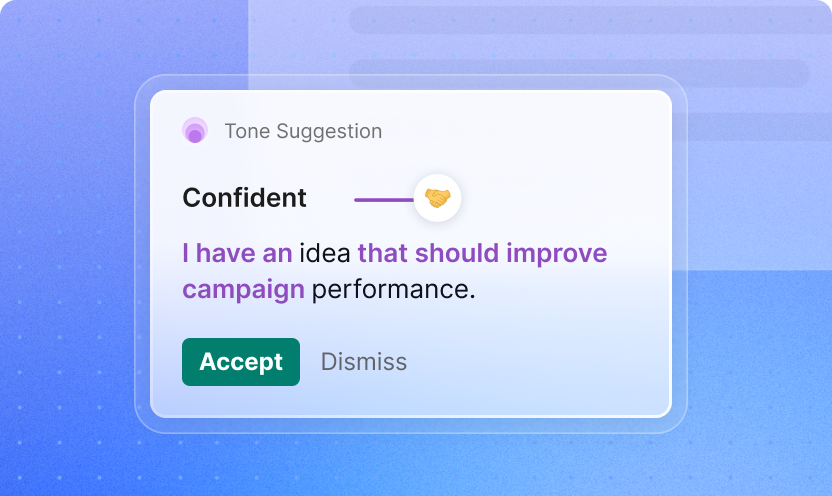
Helps teams maintain a more professional tone in documents, emails, and client-facing content
Fits everyday writing workflows without requiring users to move into a separate creation platform
| Dimension | Grammarly | ChatGPT | Claude |
|---|---|---|---|
| Writing strength | ✅ Strong for drafting, rewriting, and structured output | ⚪ Good general support, but emphasis varies by workflow | ⚪ Better suited to a different primary use case |
| Research support | ✅ Useful for summarization, synthesis, and explanation | ✅ Can support adjacent research tasks | ⚪ Usually not chosen for research-first work |
| Adoption speed | ✅ Easy to adopt for everyday knowledge work | ✅ Accessible with some workflow shaping | ✅ Often easiest when the use case is narrower |
Best for versatile AI writing, research, and everyday knowledge work
View detailsBest for long-context analysis, careful writing, and structured reasoning
View detailsBest for AI assistance inside shared docs, notes, and team knowledge
View detailsFrequently Asked Questions
Grammarly is best for teams that want clearer, more professional writing across everyday communication without adopting a broader AI creation workflow for every task.
Grammarly uses a freemium model, so many users can start with basic writing assistance first, then decide whether advanced tone, style, or team features justify a paid plan.
It makes more sense when the main problem is writing quality and tone polish, not research, ideation, or broad task support across many different workflows.
Visit the official website to review pricing, test the workflow, and compare it against your shortlist.